It's Not You, It's The Workout: Why Exercise Feels Impossible After Injury
A member recently shared something that broke my heart: she wished she'd found my online studio back in 2024 when she was recovering from a broken ankle. She told me that every workout available in her area was too intense, nothing addressed the imbalance between her injured and healthy side, and she kept overworking her uninjured leg while babying the broken one.
"These classes would have made my recovery so much easier and faster," she said.
I hear variations of this story often from women joining my online Pilates studio. And every single time, they say the same thing: "I thought something was wrong with me."
Here's What Actually Happens When You Try to Recover Using Mainstream Workouts
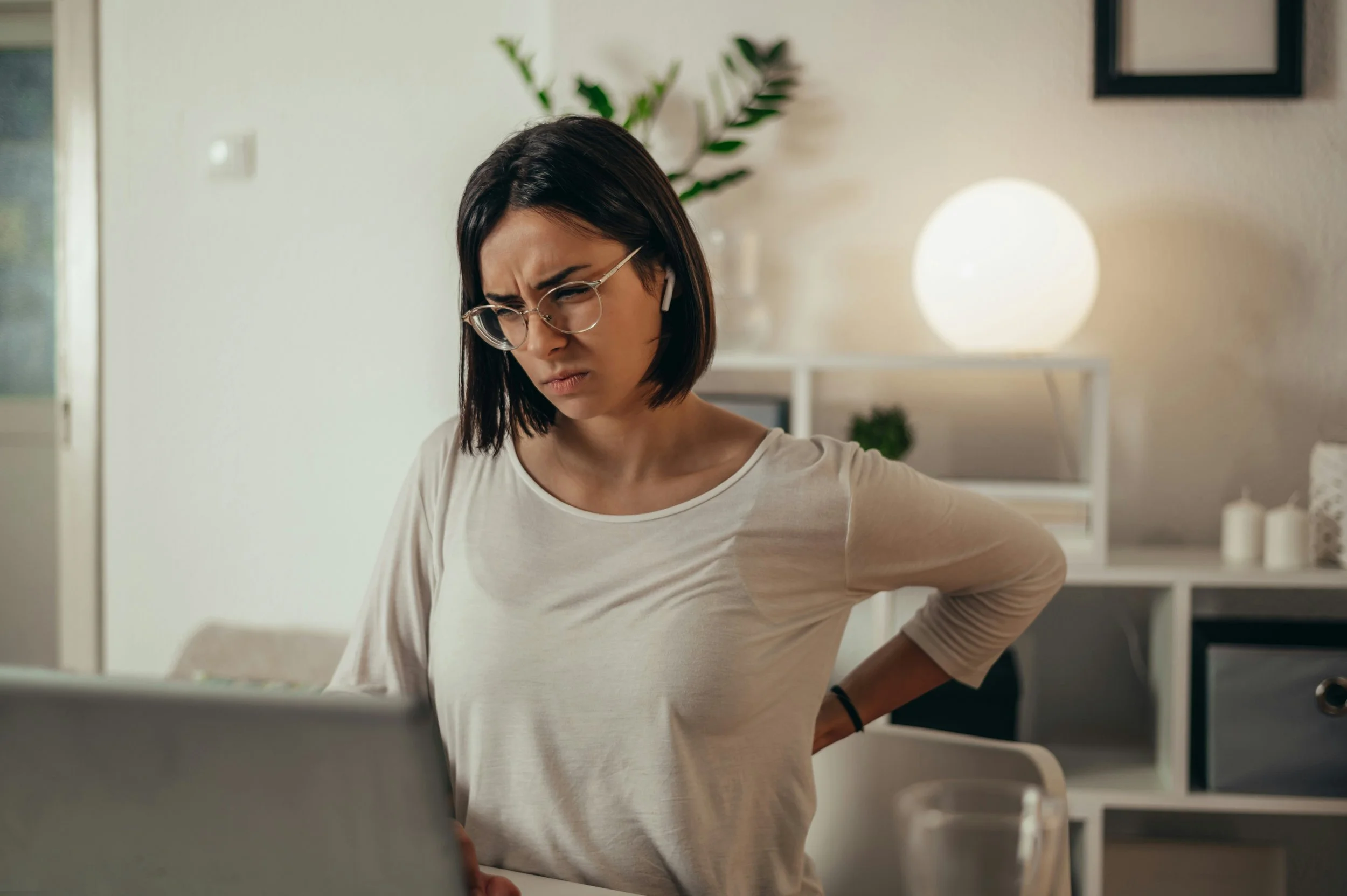
You're told to "just modify" or "go at your own pace" in a class that was never designed for healing bodies in the first place.
So here's what really happens:
Your uninjured side compensates. That healthy ankle, knee, or hip does double duty. It gets overworked, tight, and eventually starts hurting too.
Your injured side never fully recovers. Because you're protecting it (which feels instinctive and right), it doesn't get the gentle, progressive strengthening it actually needs to heal properly.
You fall behind in class. Everyone else is doing the full version while you're struggling with the "easier" option that still feels too hard.
You start believing there's something wrong with you. If everyone else can do this and you can't, clearly you're the problem. Right?
Wrong.
The Real Problem: The Workout Was Never Designed for Recovery
Here's what most women don't realize: mainstream fitness - even a lot of Pilates classes - is designed for one pace, one intensity level, one type of body.
A body that's already strong. Already balanced. Already moving without pain.
When you're recovering from an ankle injury, knee surgery, hip replacement, or even postpartum complications, you need something completely different:
You need modifications that actually work - not just "take it lighter" or "skip this one if it hurts." You need alternative exercises that address the same muscle groups without stressing your injury.
You need slower pacing - not to make it easier, but so you can focus on proper alignment instead of just surviving the class.
You need bilateral balance work - deliberate attention to working both sides of your body evenly, so your strong side doesn't take over while your healing side atrophies.
You need permission to work at YOUR level - not what you could do last year, not what you think you should be able to do, but what your body can handle today.
And you need all of this without feeling like you're holding the class back or getting special treatment.
This Is Exactly Why I Teach the Way I Do
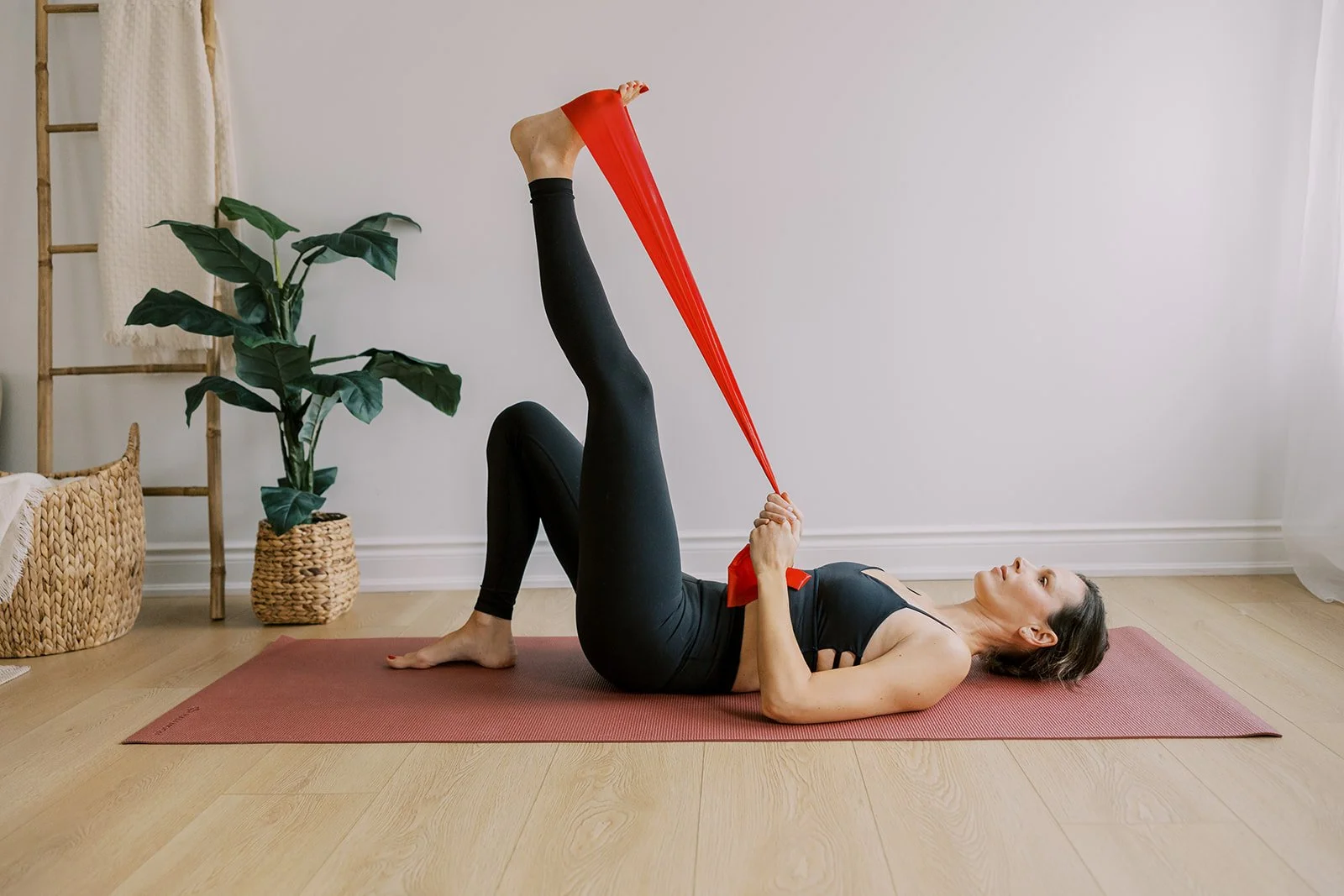
When I created Christine Kirkland Pilates, I was tired of watching women feel broken by workouts that weren't designed for their actual bodies.
So I built my online studio differently:
Every single class includes modifications. Not as an afterthought - as the foundation. I demonstrate multiple versions of every exercise because I know your neck might be tense, or your right knee might be sensitive, or using the chosen prop might not feel good for you today.
We move slower. My classes aren't about racing through exercises or keeping up with some arbitrary pace. They're about moving with control, focusing on alignment, and actually feeling the work in the right places.
We work both sides deliberately. If your injured side is weaker, we don't ignore it - we give it appropriate work so it can rebuild strength without re-injury. And we make sure your "good side" isn't compensating and creating new problems.
There's no "keeping up." Since all my classes are online, there is no pressure to keep up. You work at the pace your body needs today. Some days that's the full version. Some days it's the modification. Some days you need to rewind, skip ahead or just take a moment to breathe. All of that is not just okay - it's exactly what your body needs to heal properly.
This is what my members tell me makes the difference.
Women recovering from ankle injuries, knee surgeries, hip replacements, childbirth complications, chronic pain - they don't just survive my classes. They actually progress. Safely. At their own pace. Without feeling broken.
What You Can Do Right Now
If you're recovering from injury and everything feels too hard, here are three things that will help:
1. Stop trying to modify impossible workouts.
If a workout is designed for someone at 100% capacity and you're currently at 60%, no amount of "going lighter" or "taking breaks" will make it right for your healing body. You need something designed for where you actually are.
2. Work both sides equally - with appropriate intensity.
Even if your injured side feels weaker (because it is), it still needs work. Just gentler, more controlled work. And your "strong" side needs to stop compensating and relearn balanced movement.
3. Find instruction designed for your actual body.
Not what you could do before the injury. Not what you think you should be able to do. What you can actually do right now, with clear guidance on how to progress safely.
You're Not Broken. You Just Need Movement Designed for Healing.
So often women give up on exercise after an injury because they feel like failures. They tried the local gym class, the YouTube HIIT workout, even the Pilates studio down the street - and everything was too hard.
Let me be very clear: there is nothing wrong with you if you've struggled with exercise after an injury.
It was never you. It was the workout.
Your body doesn't need to be pushed harder or told to "just power through." It needs intelligent, progressive movement that meets it exactly where it is and helps it rebuild - safely, sustainably, without making you feel like you're failing.
That's what every woman deserves. And it's what I teach every single day inside my online Pilates studio.
Here's where to start in my online studio:
🩹 Dealing with back pain ? Start with the Back Pain Series - gentle, targeted work that addresses imbalances, compensation patterns, and helps both sides of your body rebuild strength evenly.
🌱 Haven't exercised in months (or years) and feeling intimidated? Try the Beginner Friendly Challenge - a supportive, judgment-free introduction to Pilates with clear modifications and slower pacing so you can actually learn the movements.
🧘♀️ Need foundational movement at a pace that doesn't overwhelm you? The Move with Ease Series gives you deliberately paced classes focused on rebuilding confidence, control, and connection to your body.
All programs include a 7-day free trial. No pressure, no commitment - just see if it feels right for your body right now.
You deserve movement that heals, not movement that hurts.
— Christine
Christine Kirkland is the founder an online Pilates studio designed specifically for women over 40. After teaching Pilates for over a decade and working with hundreds of women through perimenopause and beyond, she created a method focused on pain-free movement, proper alignment, and sustainable strength building. Learn more at my-pilates.ca