What Kind of Workout is Pilates? (Cardio, Strength, or Mobility?)

What kind of workout is Pilates? Pilates is a low-impact, full-body conditioning method that emphasizes core strength, muscle resistance, flexibility, and controlled, mindful movement. Developed in the early 20th century, it is designed to strengthen your body from the inside out without placing intense strain on your joints.
While that is the technical definition, I know firsthand how transformative this practice is in real life. I still remember my first Pilates class after having kids. I had just hit 34, juggling work, family, and the creeping realization that my body wasn’t bouncing back the way it used to. Traditional workouts left me drained or, worse, in pain. I wanted to feel strong without feeling broken. That’s when I pivoted to Pilates.
It wasn’t what I expected.
There were no heavy weights, no frantic pace, and no “go big or go home” mentality. Instead, it was controlled, intentional, and surprisingly powerful. After just a few weeks, I felt a difference—less stiffness, more energy, and a sense of strength I hadn’t experienced before. It changed everything for me, and now, over a decade later, I teach Pilates to help others feel the same way.
Are you looking for a workout that builds full body strength without ruining your joints? If you are a woman over 40, a standard generic workout isn't what your body needs. Explore our Ultimate Guide to Pilates After 40 to see how low-impact resistance preserves your bone density and muscle mass safely.
But why does it work so well for so many people? Let’s break down exactly how it differs from traditional fitness routines.
Pilates: A Low-Impact, Core-Focused Workout

Pilates is a full-body workout that emphasizes core strength, flexibility, and mindful movement. Developed by Joseph Pilates in the early 20th century, it was originally designed to rehabilitate injured soldiers and dancers. Today, it’s practiced worldwide by people of all ages and fitness levels because of its ability to build strength without strain.
At its core, Pilates is about moving with control. The exercises target deep stabilizing muscles—especially in the core, hips, and back—helping to improve posture, balance, and mobility. It’s a workout that strengthens you from the inside out.
Who Benefits Most from Pilates? (The Midlife Fitness Shift)
While Pilates is highly adaptable for all fitness levels, it becomes an absolute necessity as our biological needs shift. Many women hit their 40s and find that high-intensity, exhausting workouts suddenly leave them feeling chronically fatigued, storing stubborn weight, or suffering from morning joint stiffness.
This occurs because shifting hormones make the midlife body less tolerant of intense physical stress. Pilates offers the perfect antidote by triggering deep muscle resistance and building physical stability without spikes in your stress hormones. To see how to safely structure your weekly routine to protect your joints and build muscle mass, explore our master guide to practicing Pilates after 40.
How is Pilates Different from Other Workouts?
Unlike high-impact workouts that focus on burning calories and pushing to exhaustion, Pilates prioritizes quality over quantity. Here’s how it differs from traditional fitness routines:
Low Impact, High Effectiveness – Pilates is gentle on the joints but highly effective in building strength and flexibility. It’s perfect for those recovering from injuries or looking for a sustainable way to stay active.
Core-Centric Movement – While many workouts engage the core, Pilates takes it to another level. Every movement originates from the core, leading to better posture, spinal alignment, and a stronger foundation for all other activities.
Mind-Body Connection – Pilates encourages focus and breath control, creating a workout that’s both strengthening and restorative. It’s about being present in your movements rather than just going through the motions. I refer to it as a moving meditation.
Adaptable to All Levels – Whether you’re a beginner or an experienced mover, Pilates meets you where you are. Exercises can be modified or intensified based on individual needs.
The Benefits of Pilates
One of the reasons Pilates has remained popular for over a century is because of the noticeable benefits it provides. Here’s what you can expect when practicing consistently:
Deep Core Stabilization & Back Pain Relief – A strong core supports the spine, reducing pain and improving overall stability.
Realigning Posture and Spinal Decompression – Many people experience postural imbalances from sitting too much or improper movement patterns. Pilates helps realign the body.
Combating Sarcopenia (Muscle Mass & Metabolism Loss) – Pilates helps build lean muscle mass, which naturally boosts metabolism. My member Carleigh combined gentle Pilates with healthier eating choices and lost 20 pounds, proving that sustainable movement and balanced habits go hand in hand.
Dynamic Joint Mobility and Flexibility – Unlike static stretching, Pilates improves flexibility through dynamic movement, keeping the body fluid and pain-free.
Reduced Pain & Tension – By strengthening the muscles that support the spine, boosting stabilizing muscles and improving movement patterns, Pilates can alleviate common aches and pains.
Enhanced Mind-Body Awareness – Many people find Pilates to be a stress reliever helping to bring them back to the present moment. This ultimately helps them feel more connected to their bodies and movements.
Pilates Success Story: How Movement Can Be Transformative
Pilates has helped so many of my clients regain their confidence in movement. One of my members, Amy, shared her experience after taking just one class:
“I have been having low back pain when sleeping and after walking only short distances. This had been going on for a while. After doing your first class Monday, I slept pain-free for the first time in forever. We hiked on Sunday and same - no pain.”
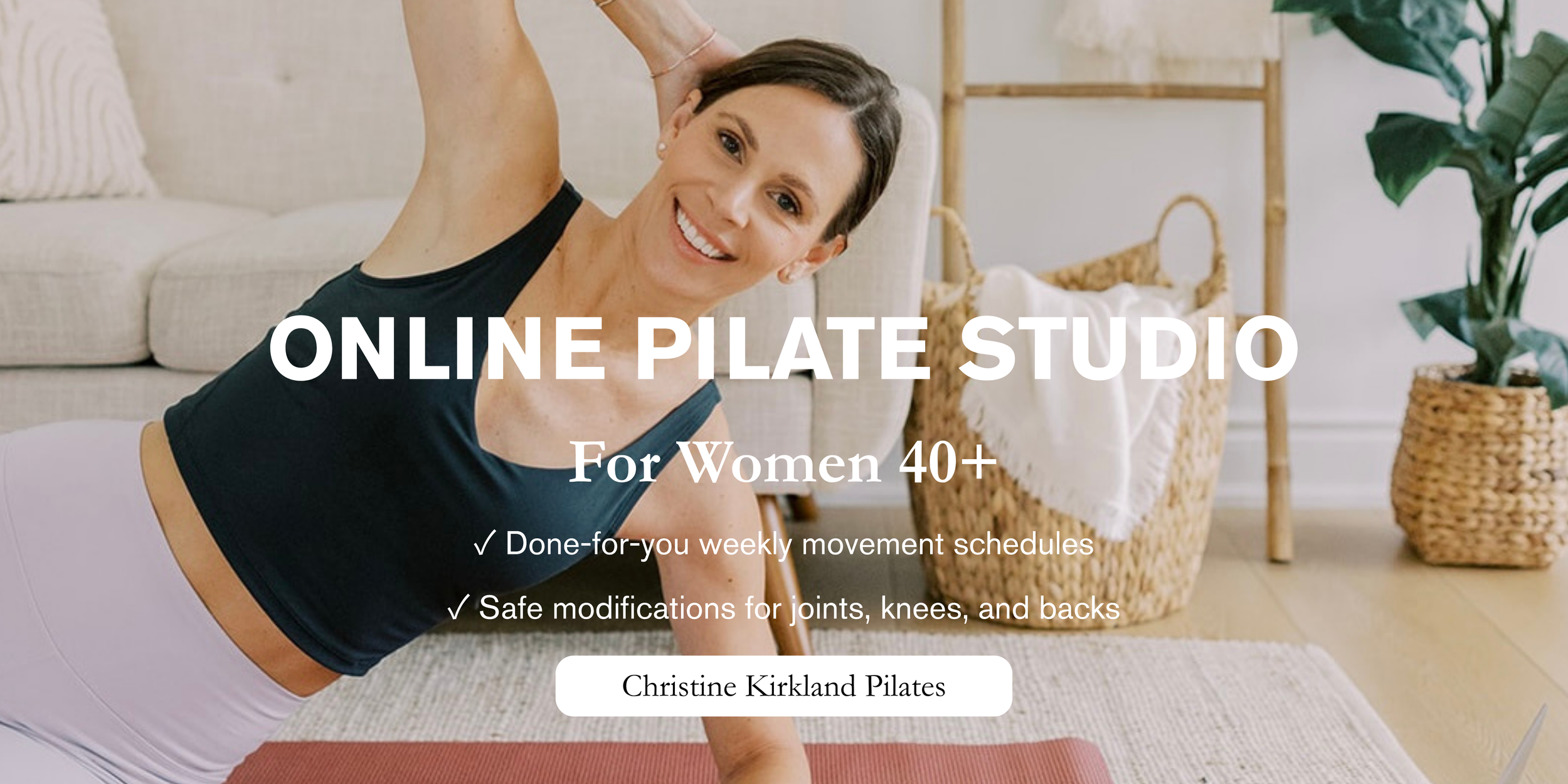
This is why I love teaching Pilates. It’s not about pushing through discomfort or chasing unrealistic fitness goals. It’s about feeling better in your body, moving with ease, and finding strength that supports your daily life. If you are ready to stop moving in pain and start feeling strong and capable again, you can experience these exact same shifts from home by unlocking a 7-day free trial to our online Pilates studio.
Who is Pilates For?

One of the biggest misconceptions about Pilates is that it’s only for dancers or people who are already flexible. The truth? Pilates is for everyone. Whether you’re:
Someone who wants to strengthen and tone their body without high-impact exercises
A person dealing with back pain or joint discomfort
An athlete looking to improve core stability and movement efficiency
A beginner looking for a welcoming, adaptable way to stay active
Someone who wants to feel strong, capable, and energized—without exhausting workouts
How to Get Started with Pilates
If you’re new to Pilates, here’s how to ease into it:
Start with Beginner Classes – Look for a class or program designed for beginners to build a strong foundation.
Focus on Form, Not Speed – Pilates is about control and precision, so take your time with each movement.
Be Consistent – Like any workout, consistency is key. Even a 20 minute Pilates workout 2-3 times a week can lead to noticeable results.
Listen to Your Body – Modify exercises when needed and focus on how your body feels during movement.
Enjoy the Process – Pilates isn’t about “no pain, no gain.” It’s about moving well and feeling good in your body.
💡 Ready to try it right now? Roll out a towel or mat and follow along with my free, 20-Minute Beginner Pilates Mat Class below. Focus entirely on moving with control and breathing smoothly—no experience or special equipment required!
20-Minute Home Mat Pilates Workout for Beginners
Final Thoughts
So, what kind of workout is Pilates? It’s a movement system that helps you build strength without breaking you down. It’s a workout that meets you where you are and helps you feel better in your body.
For me, Pilates was the shift I didn’t know I needed. It took me from feeling stiff and frustrated to feeling strong and capable. And for Amy, it meant moving without pain for the first time in years. For Carleigh, it helped her manage weight and adopt a healthier lifestyle—showing that small, consistent movements can lead to incredible results.
Curious to see how good movement can feel?
You’re always welcome to explore my online Pilates studio. Try it free for 7 days and see how it feels.