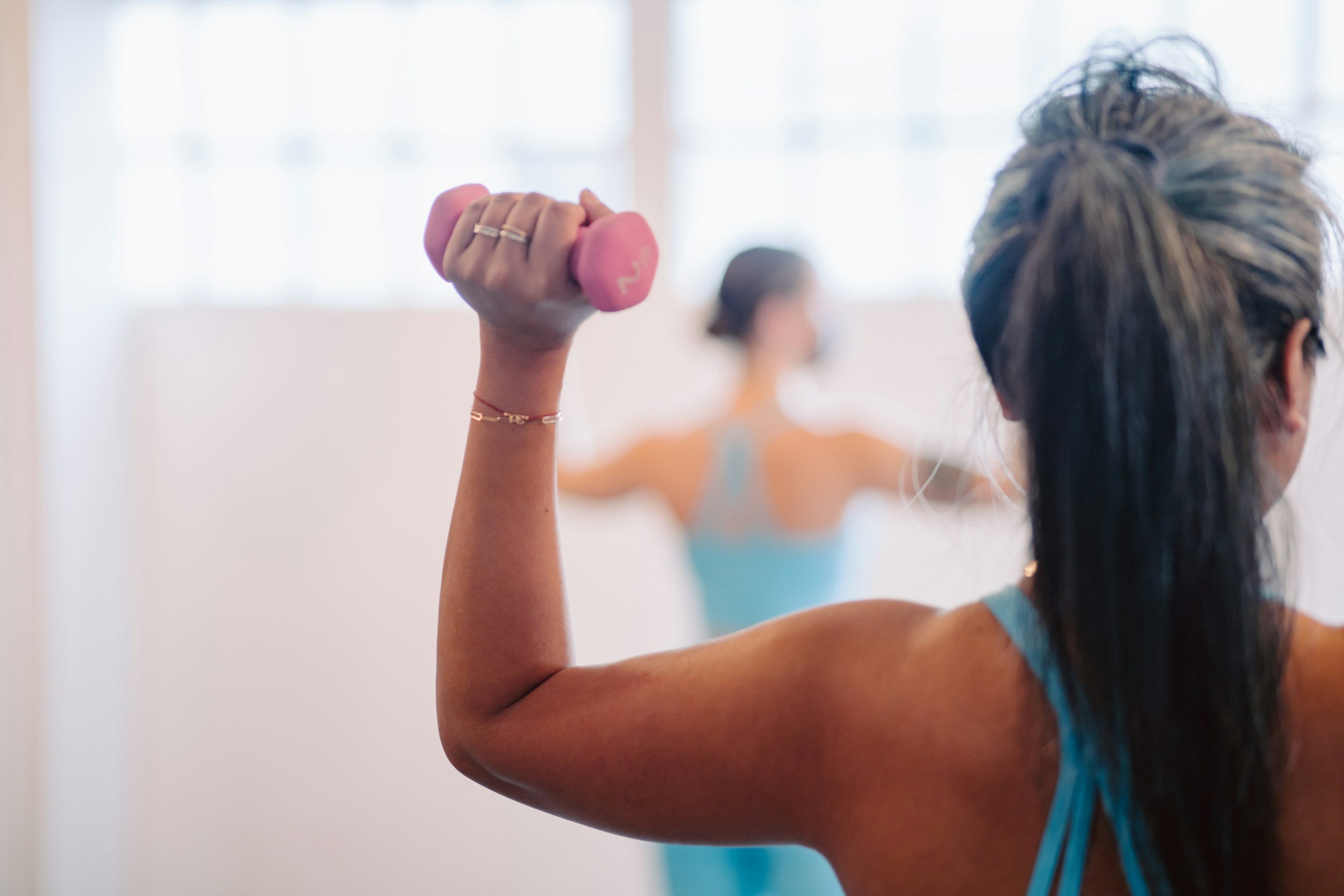
The short answer: start slow, start with mobility, and choose consistency over intensity. You are never too old or too stiff to begin.
Why So Many Women Dread Starting Again
When women join my classes after years of not exercising, they usually don't expect much. Exercise has often left a bad taste in their mouths. It was too hard, too fast, or it left them sore or even injured.
Then they start moving slowly and with control, and they realize two things. They're more capable than they thought. And slow, controlled movement does get results.
She started in her 60s, after back surgery
One of my members struggled with back pain for years. Even back surgery didn't bring relief. She started Pilates in her 60s, and now she's hooked. When she comes to class with an achy back, she knows she'll leave feeling better, with her back released.
She started in her late 50s and never stopped
Another member didn't start exercising until her late 50s. She's been with me for over a decade, and she's one of my most consistent members. She takes classes in my studio three or four times a week.
The Biggest Mistake: Going Straight to Strength
Here's what I see all the time. Your doctor tells you to start strength training. Or you already know you need it, for your bones and to fight age-related muscle loss (sarcopenia). So you do what mainstream fitness says and start lifting heavy weights.
It can backfire.
Why your body needs to realign first
By our 50s, most of us carry a lifetime of compensation patterns. Years of sitting at a desk, old injuries, even pregnancies can pull your body out of alignment. If you build strength on top of that, it can lead to pain or injury, and the exercises feel harder on your body than they need to. I explain more in what your "bully muscles" are.
Start with mobility, then add strength
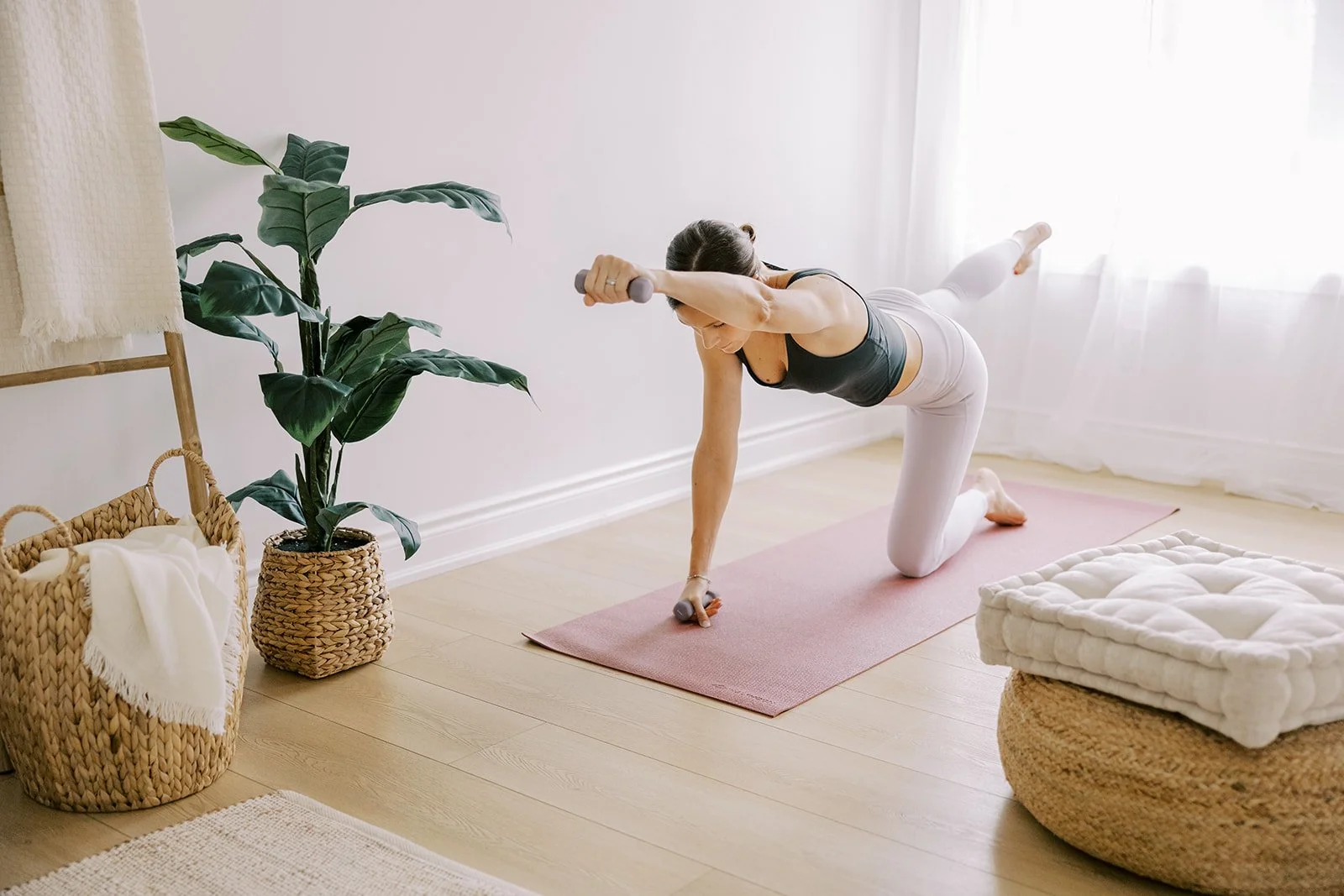
In my studio, we start with mobility and realigning the body before adding strength. It sets you up for better results that last. That's the heart of my method: realign, stabilize, then strengthen. Here's the science behind my 3-step method.
What the First Few Weeks Feel Like
Here's what my members usually notice in the first few weeks:
Muscles working that they've never felt before
Standing taller and carrying themselves with more confidence
A body that feels supported
Less stiffness and tightness in their joints
More energy throughout the day
I still feel this myself. On the days I exercise, I always have more energy and stamina.
How to Stick With It
Consistency beats intensity
Showing up regularly matters more than how hard you work. Wondering how many days a week? Here's my guide on how often women should do Pilates.
Rest days count too
Rest is part of the plan, not a break from it.
A short workout beats no workout
If you only have time for a short session, do it. It's better than nothing.
You're Never Too Old or Too Stiff to Start
Honour your body. If something hurts, make the movement smaller. Take breaks when you need them. Do that, and you will progress.
The seniors outperformed the desk workers
When I first started teaching, I taught at a physio studio for people who sat at desks all day, and at the local seniors centre. I taught the same class to both groups. The seniors always outperformed the desk workers.
Age really is just a number.
Frequently Asked Questions
Is it too late to start exercising at 60 or 70?
No. I've watched women start in their late 50s and 60s and become my most consistent members. Go slow, honour your body, and you will progress.
Should I start with weights or cardio?
Neither, at first. Start with mobility work that realigns your body, then build stability, then add strength. Walking is a great addition for your heart and your mood.
How many days a week should I exercise when I'm starting?
Start with what you can keep doing. Consistency beats intensity, rest days count, and a short workout is always better than none.
What if exercise hurts?
Make the movement smaller and take breaks when you need them. If something is painful, stop and check with your doctor or a physio before you continue.
Can I start exercising at home?
Yes. Home is often the easiest place to start, because there's no commute, no mirrors and no pressure. Gentle, guided classes are a great way to learn to move well.
Where to Start This Week
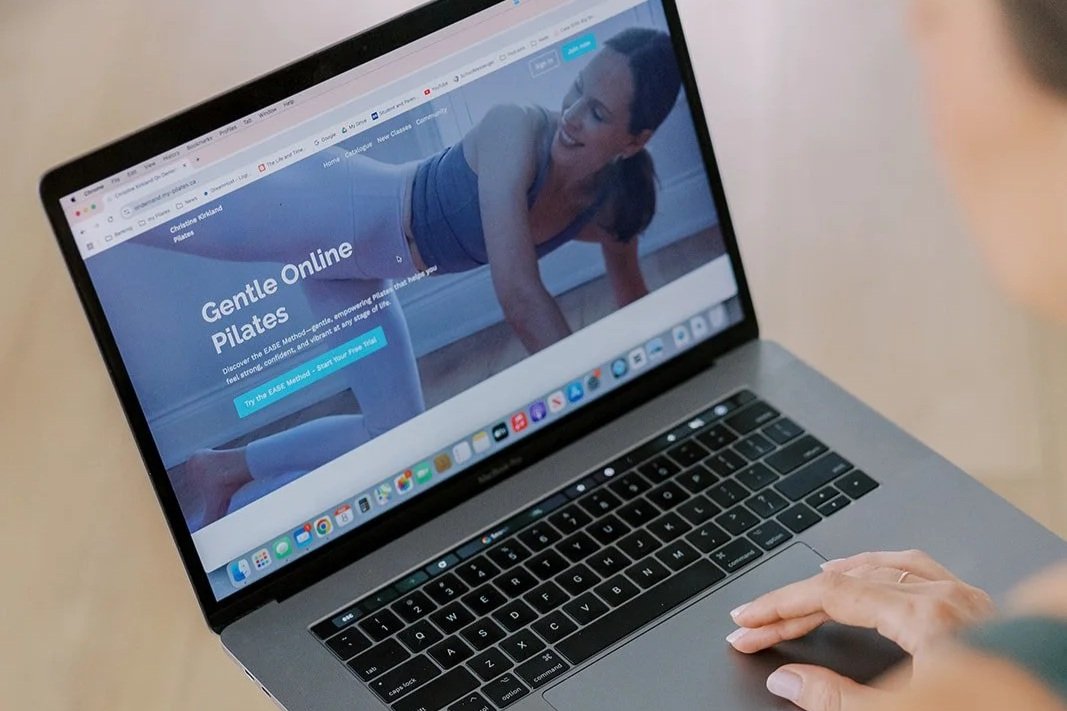
Don't expect overnight results. This isn't a crash-and-burn boot camp. It's a lifestyle change. Honour your body, go slow, and you will see results.
If you're nervous about working out at home on your own, read can a beginner do Pilates at home.
The easiest first step is my free 5-Day Mobility Reset. It gives you a feel for how I teach, and it walks you through the first two steps of my method: realign and stabilize. When you're ready for more strength, join the studio and start the beginner-friendly challenge.
